


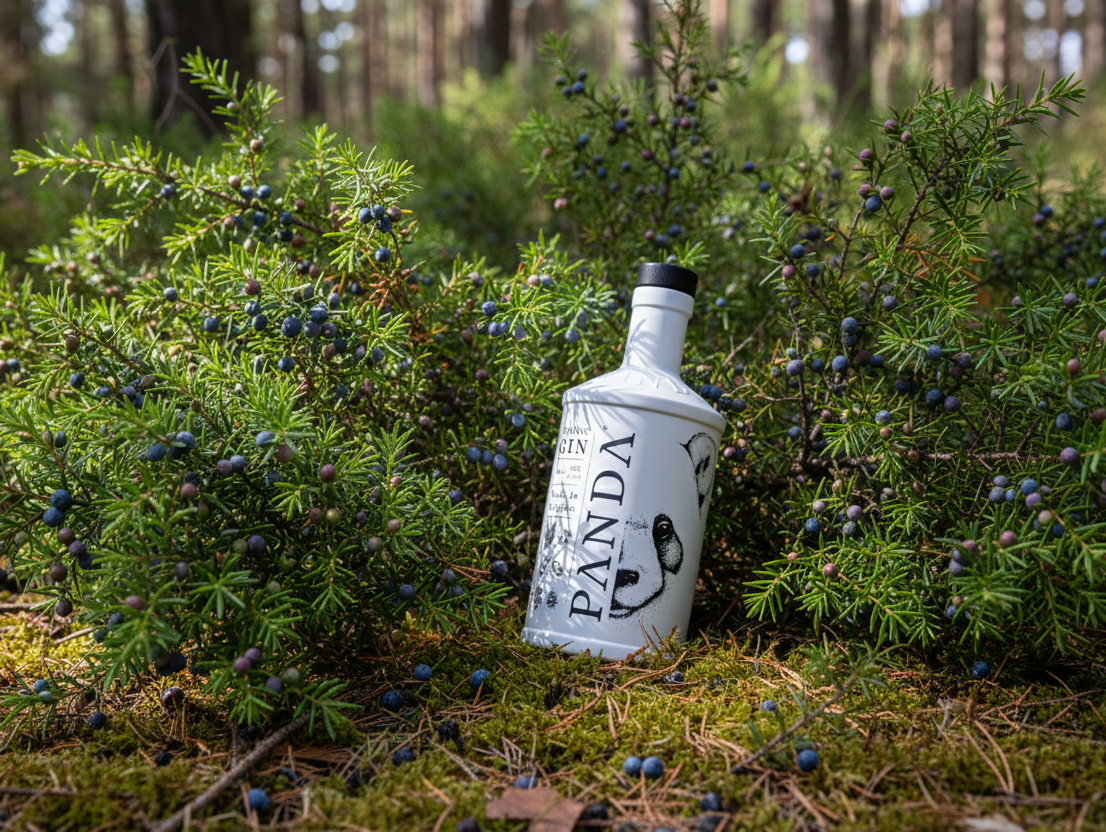
The Origin of Gin: The Juniper Berry
Even before gin became a bar staple, it all started with a small wild berry: juniper. Or rather, the juniper berry.
This fruit, which is not a berry in the botanical sense but a fleshy cone, comes from the juniper tree, a resilient shrub found in the wild throughout the northern hemisphere: in Europe, Asia, and even North America.
It is often harvested in the wild, especially in mountainous or wooded regions of Europe, with areas like the Alps, the Carpathians, or Scandinavia being particularly rich in it.
Historically, the juniper berry has been used since Antiquity: the Egyptians used it for its medicinal properties, the Greeks to purify the air, and the Romans... to make a pepper substitute!
But it was in the Middle Ages that it took on a central role in medicinal recipes, often infused in alcohol. And that's where the story of gin slowly begins...
Its taste? Resinous, woody, slightly peppery... with notes of pine and sometimes lemon. It is this complexity that makes it the essential base of gin, even today.
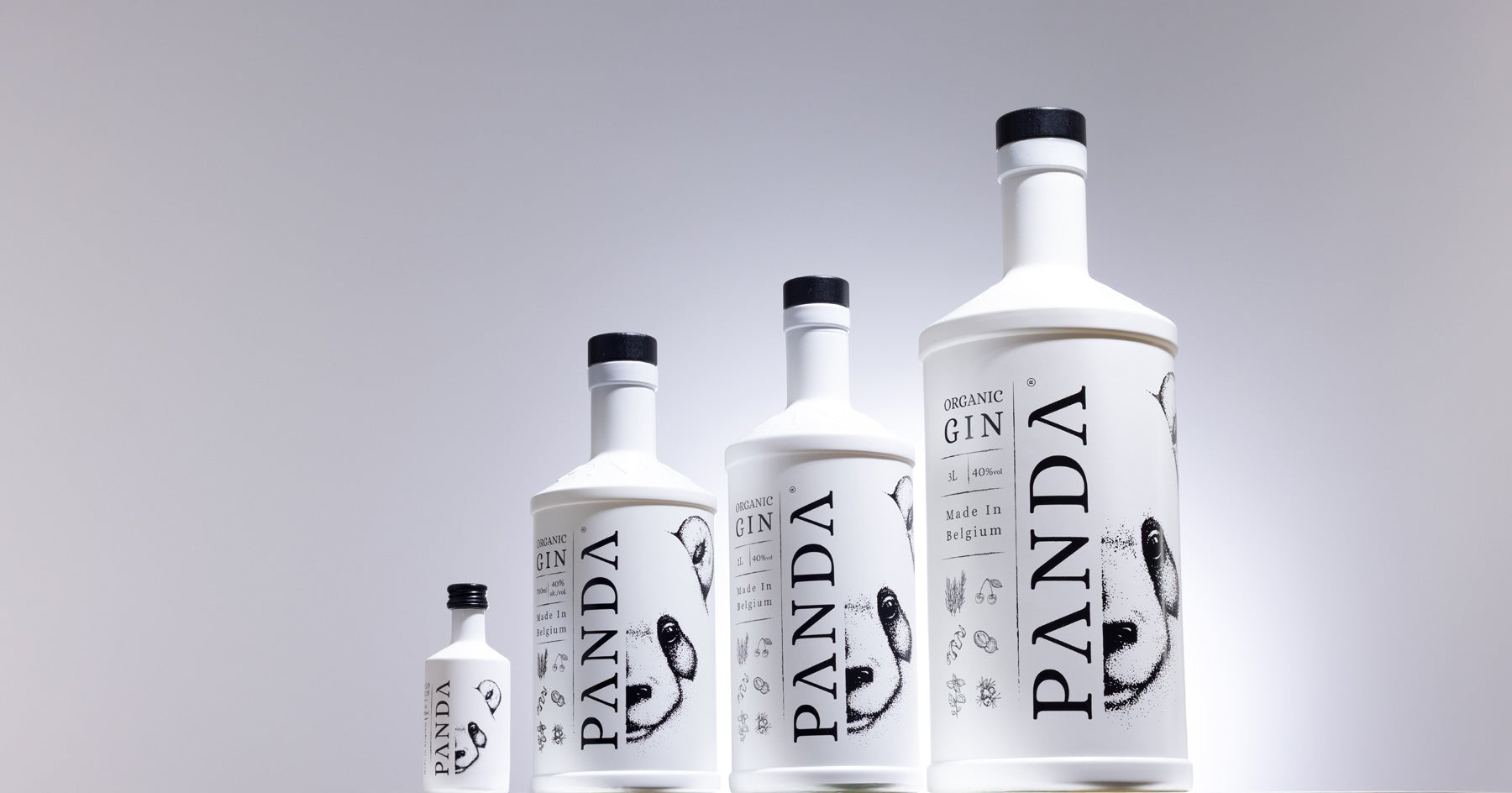
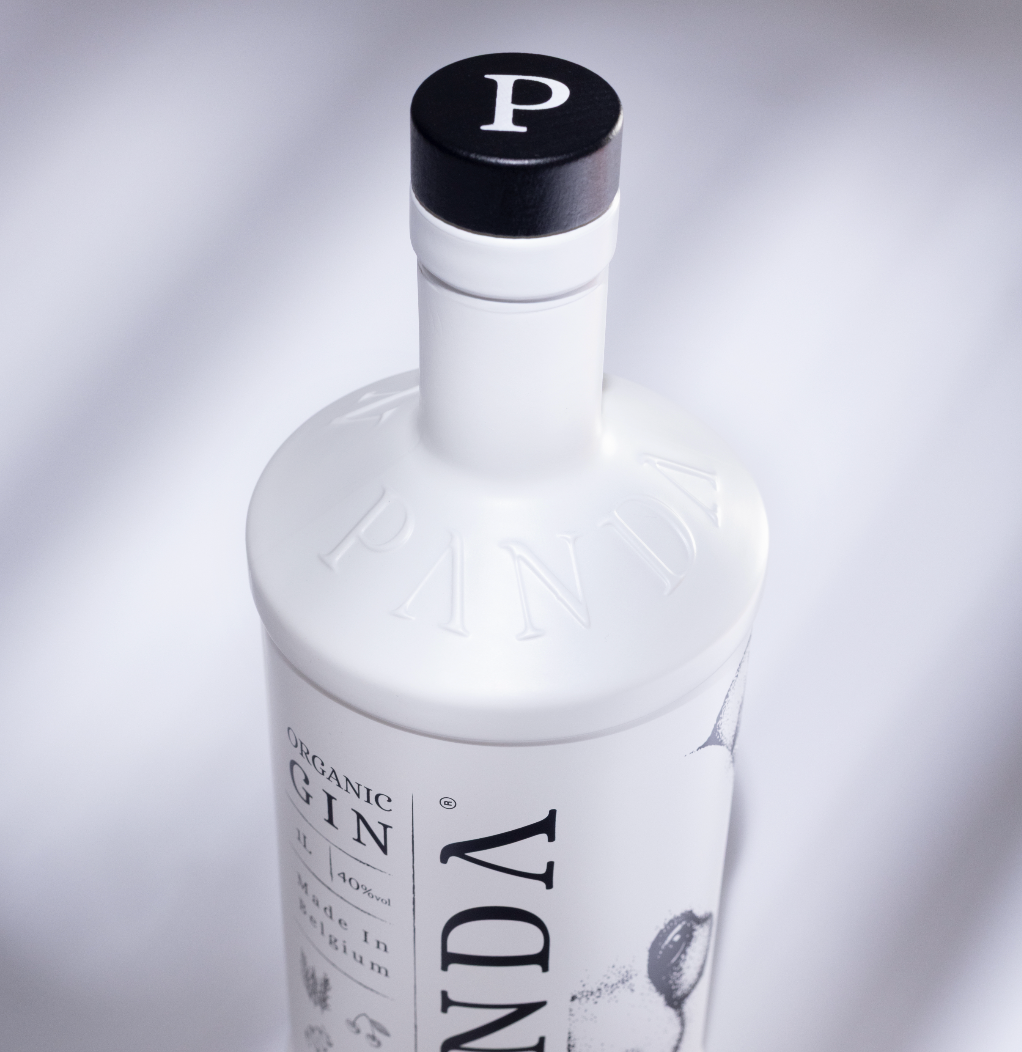
At Panda, we respect this origin while exploring other aromatic horizons, but always with the juniper berry as a starting point.

Partager:
Master Juniperus: The different ways to enjoy it
Panda Gin and cheese pairing: the unexpected duo that works wonders